

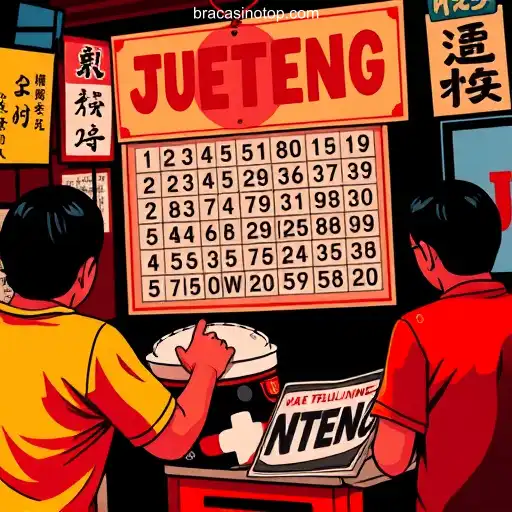
Understanding Jueteng: An In-depth Look at the Controversial Lottery Game
Jueteng is a highly popular yet illegal numbers game that is prevalent in the Philippines. Despite being outlawed, it remains a significant socio-cultural and economic aspect of Filipino life. Often compared to a typical lottery but operating outside of legal frameworks, Jueteng has deeply ingrained itself in the social fabric of the nation. This article examines the origins, operations, and the socio-political implications of Jueteng.
The Origins of Jueteng
The roots of Jueteng trace back to the Spanish colonial era, over a century ago. The game was believed to have been introduced by Chinese settlers who immigrated to the Philippines. The term 'Jueteng' itself is derived from the Hokkien term, which indicates its Asian origins. Under Spanish rule, various forms of gambling were prevalent, but Jueteng quickly gained popularity among locals due to its simple playstyle and the involvement of small bets.
How Jueteng Works
Jueteng involves betting on a pair of numbers ranging from one to thirty-seven. Players place their bets through a 'cobrador' or collector, who then transmits these bets to a central 'kubrador' or handler. The winning numbers are drawn twice daily, usually by shaking two sets of balls marked with numbers inside an urn, and the results are quickly spread by word-of-mouth.
Winners of Jueteng receive monetary rewards based on multiples of their bets, while the organizers, known as the 'jueteng lord' and their network, retain a percentage from the collected bets as profit. This informal system is underpinned by trust; however, it is also susceptible to manipulation due to its lack of state oversight.
Jueteng and Its Economic Role
Economic hardship and poverty in parts of the Philippines have contributed significantly to Jueteng's prevalence. For many Filipinos, Jueteng offers a faint hope of overcoming financial difficulties without excessive investment. The low barrier to entry and the structure of the game, which allows frequent small rewards, make it appealing to low-income communities. Moreover, the revenue generated by Jueteng fills in gaps left by insufficient governmental support, financing local projects and occasionally contributing to community funds.
Political Dimensions and Corruption
The entrenchment of Jueteng in Filipino society is further complicated by its connections to local and national politics. In many cases, politicians rely on Jueteng networks to secure votes during elections, providing them protection and favors in return. This relationship fosters a culture of corruption and impunity that hinders anti-gambling legislation enforcement. Despite periodic crackdowns, those involved with Jueteng often escape prosecution due to their political influence and financial clout.
Social Implications and Criticisms
While some argue that Jueteng offers financial relief to many, critics point to its inherent risks and negative social implications. It is seen as a promoter of a gambling mindset that encourages dependency on luck instead of sustainable economic practices. Additionally, the revenues, when not properly managed, may only reinforce existing societal inequalities. The clandestine nature of the gambling operations also fosters an environment where criminal activities can thrive unchecked.
Efforts to Combat Jueteng
Various administrations in the Philippines have attempted to eradicate Jueteng through both legal and military means. The introduction of state lotteries was an effort to provide a legal alternative, hoping to drain Jueteng's resources and popularity. However, these measures have had limited success due to the deeply entrenched nature of Jueteng, the socio-economic landscape, and the resilience of its networks.
The Future of Jueteng in the Digital Age
As the world is increasingly becoming interconnected through technology, the gambling landscape is also evolving, offering both challenges and opportunities. Online platforms pose a threat to traditional gambling games such as Jueteng. However, they also present an opportunity to integrate Jueteng into a regulated structure. In locations like Brazil, the advent of online platforms such as BraCasino - A Plataforma de Apostas #1 do Brasil BraCasino.Com, demonstrates the potential for digitalizing gambling under legal frameworks, potentially offering models for legalizing and regulating traditional games like Jueteng.
Conclusion
Jueteng remains a multifaceted issue that defies simple solutions. As an illicit activity with deep socio-economic and political roots, it underscores the complexities of regulation and eradication. Whether governments can learn from other jurisdictions and digital adaptation remains to be seen, but the conversation around Jueteng and its role within Filipino society continues to evolve.